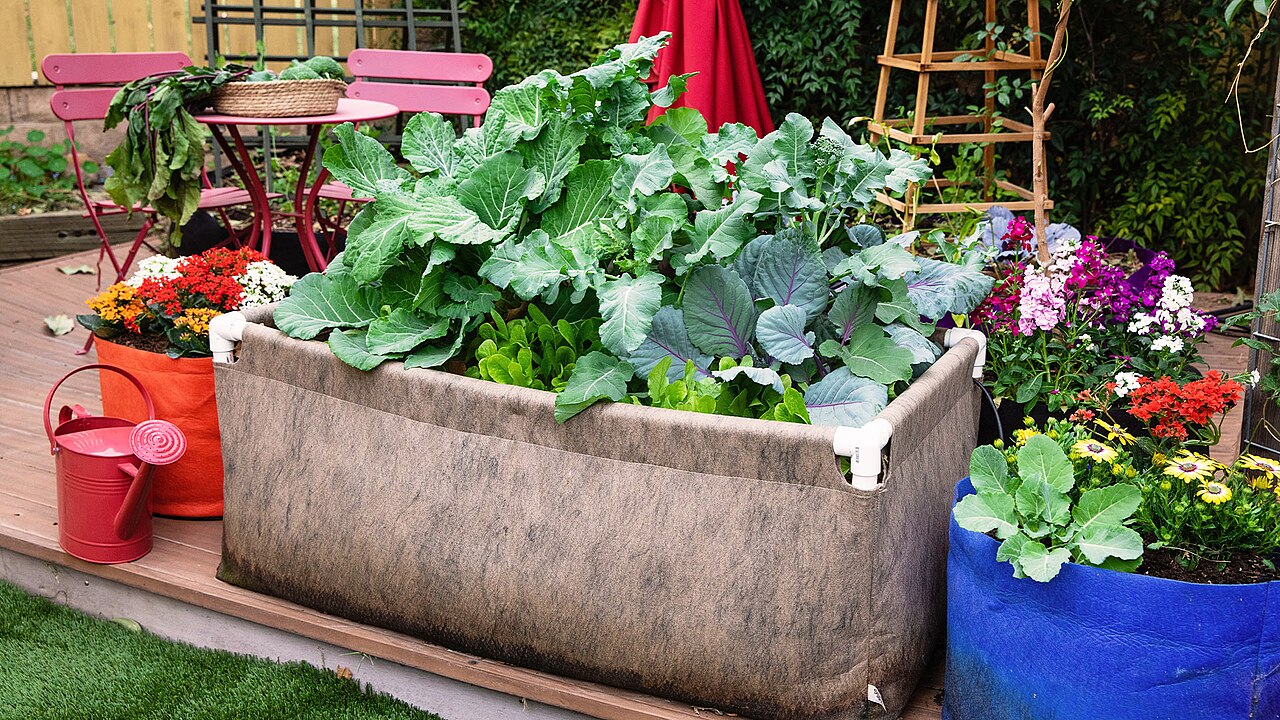
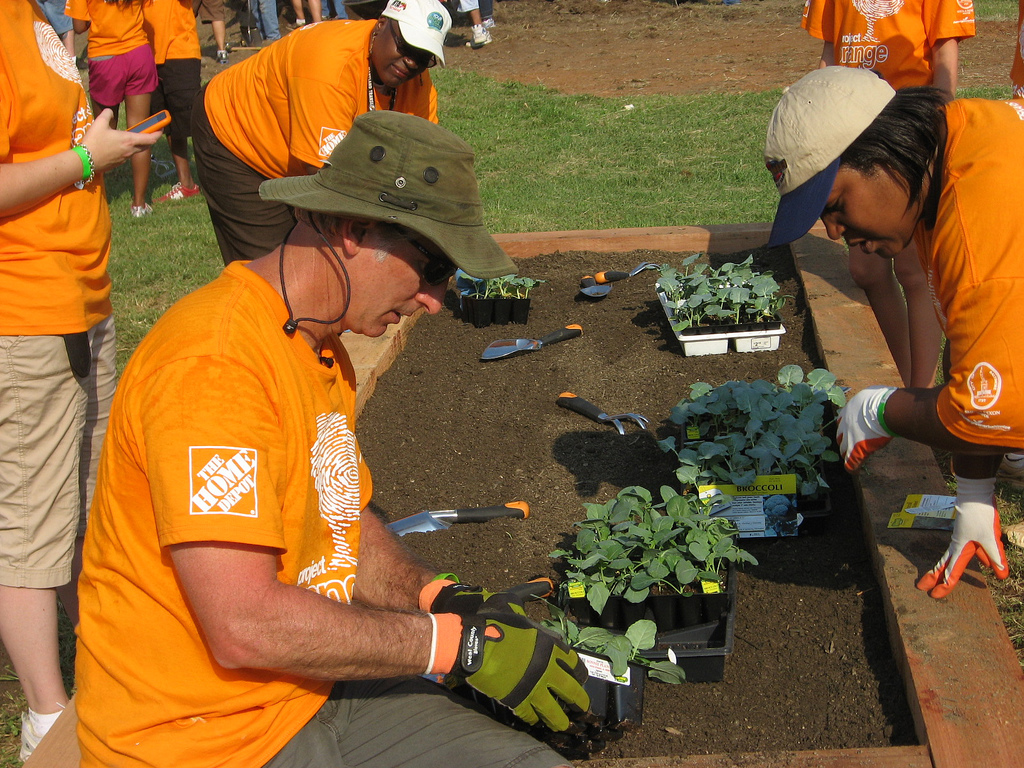
Heb je nog nooit iets verbouwd, zelfs geen kruidenplantje op de vensterbank? Welkom. Tuinieren oogt van buitenaf intimiderend — Latijnse plantnamen, bodem-pH, snoeischema’s — maar bijna niets daarvan doet ertoe als je net begint. Hier zijn een paar eerlijke, praktische tips om op weg te helpen, zonder overdenken.
Begin kleiner dan je denkt
Eén pot, één klein bedje, of zelfs een enkele bak op de vensterbank is meer dan genoeg voor je eerste seizoen. Het is verleidelijk om meteen een hele moestuin te plannen, maar een kleine, goed verzorgde plek leert je veel meer dan een grote, verwaarloosde. Bovendien is het een stuk minder ontmoedigend als iets een keer mislukt.
Geef planten het zonlicht dat ze echt nodig hebben
Kijk, voordat je iets koopt, een dag lang naar de plek waar je wilt planten. De meeste groenten en bloeiende planten willen minstens zes uur directe zon; bladgroenten en veel kamerplanten redden het prima met minder. Een plant kiezen die past bij het licht dat hij daadwerkelijk krijgt, scheelt je meer gedoe dan welke andere tip dan ook.
Goede grond is belangrijker dan een groene duim
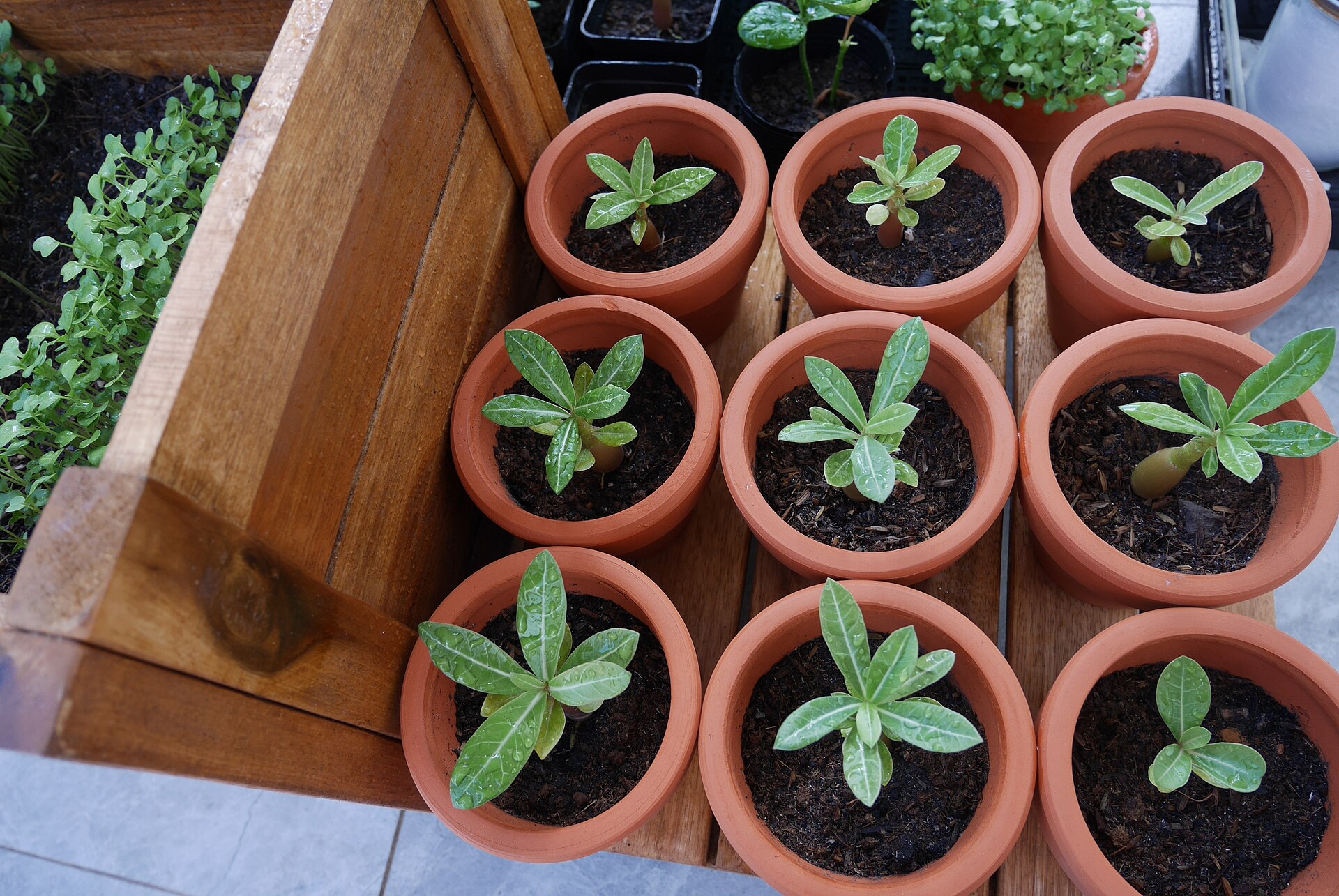
“Ik heb gewoon geen groene vingers” is bijna altijd een bodemprobleem in vermomming. Gebruik in potten goede potgrond in plaats van tuinaarde, die in potten dichtslaat en slecht afwatert. Zorg er sowieso voor dat water echt aan de onderkant kan wegstromen: natte wortels zijn de belangrijkste doodsoorzaak van beginnersplanten.
Geef diep water, niet vaak
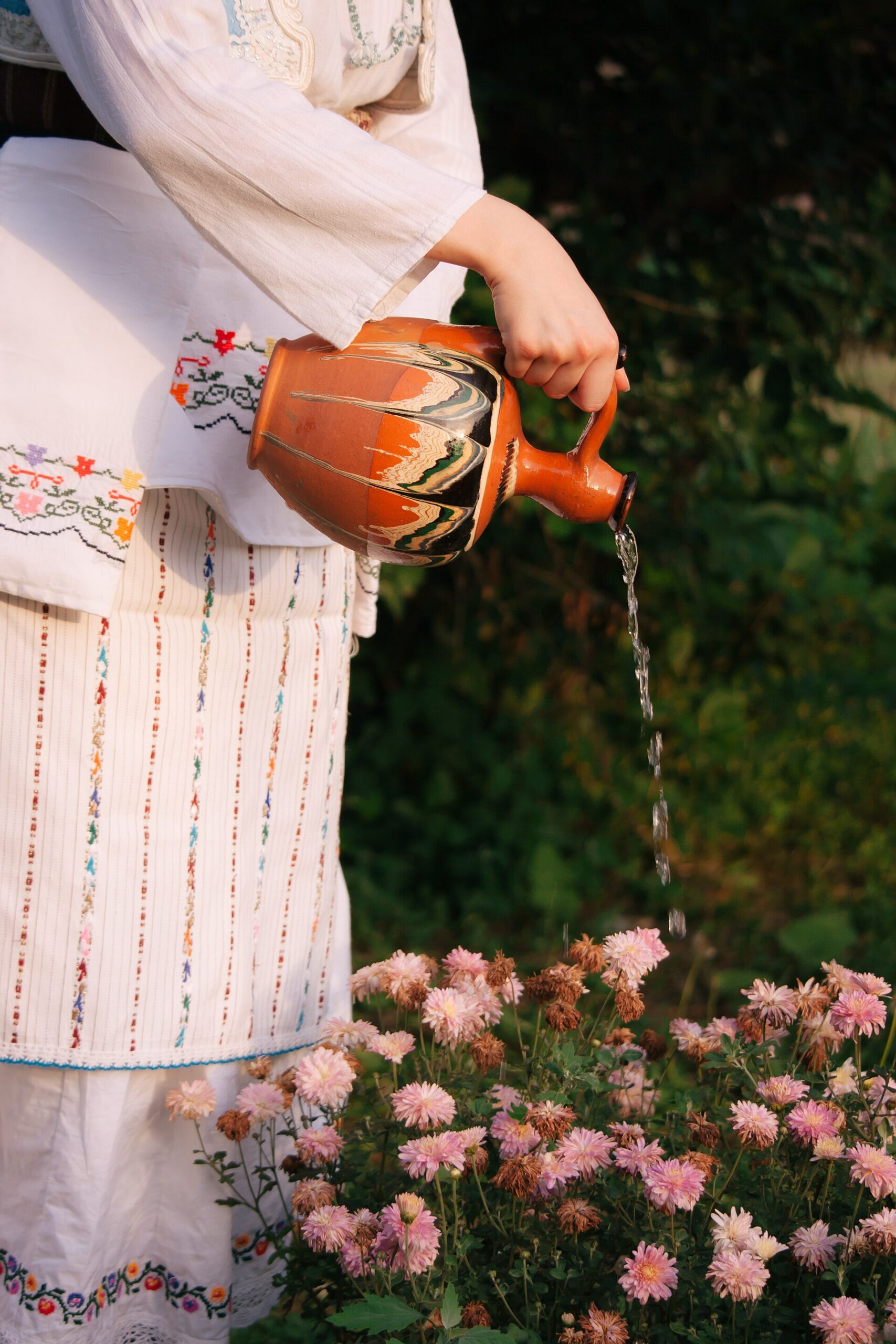
Een licht sproeibeurtje elke dag maakt alleen de bovenkant nat en stimuleert ondiepe, zwakke wortels. Beter is om grondig water te geven en de bovenste centimeters grond daarna te laten opdrogen voordat je opnieuw water geeft. Steek een vinger in de grond om te checken: voelt het nog vochtig, wacht dan nog even.
Reken op een paar mislukkingen — zo leer je het
Elke tuinier, hoe ervaren ook, heeft weleens een plant om zeep geholpen. Een verwelkt zaailingetje of een pot die niet aansloeg, is geen teken dat je hier slecht in bent — het is gewoon informatie over licht, water of timing die je de volgende keer kunt gebruiken. Houd losjes bij wat je geplant hebt en hoe het ging, dan is het volgende seizoen al makkelijker.
Begin met één pot of één klein bedje, zorg dat licht en water ongeveer goed zitten, en laat de rest vanzelf komen. Binnenkort volgen meer laagdrempelige tips voor beginners — kom gerust nog eens terug of volg de blog.
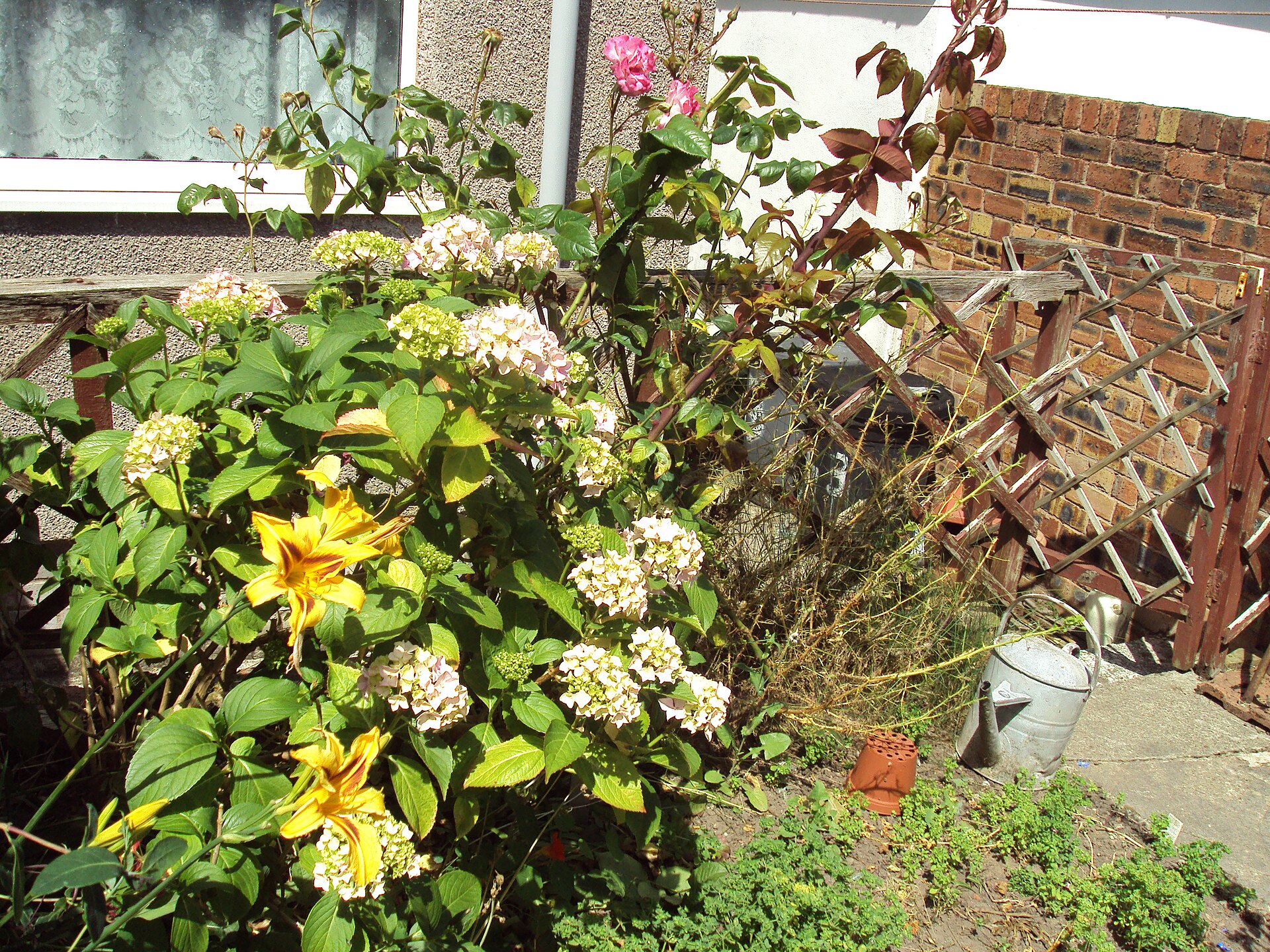
Foto’s: “Flowers and watering can” door Rept0n1x (CC BY-SA 3.0); “Adenium seedlings in terracotta pots” door Zenyrgarden (CC BY-SA 4.0); “Folk girl watering flowers in garden” door Stefan3112 (CC BY-SA 4.0). Alle via Wikimedia Commons.